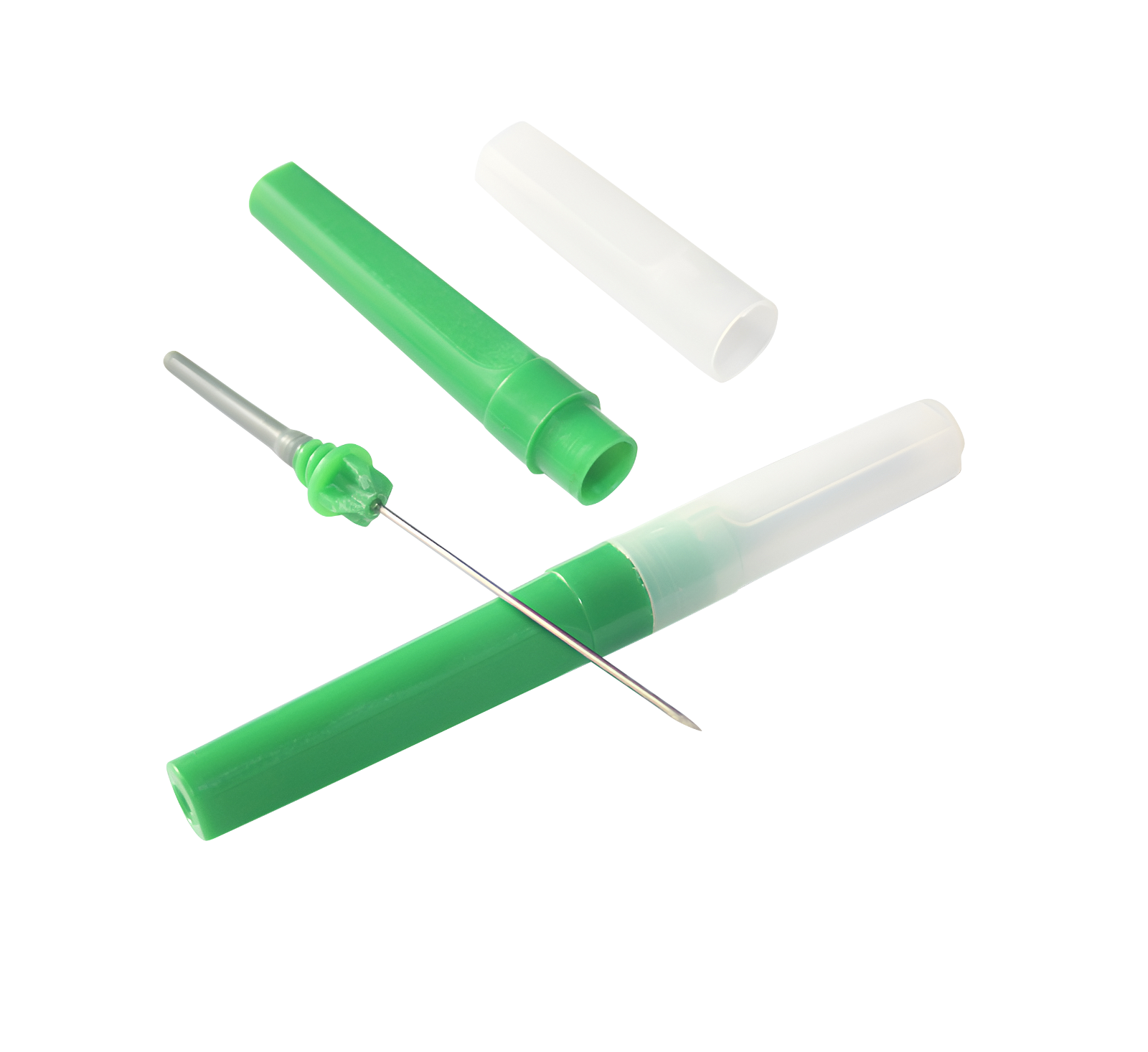
The accuracy and comfort of this procedure largely depend on selecting the correct blood collection needle. Choosing the right needle improves patient comfort, ensures accurate samples, and reduces complications such as bruising or vein damage.
Blood collection needles come in different types, sizes, and designs depending on the patient’s age, vein condition, and purpose of collection. Understanding these types helps ensure safer and more effective procedures.
What Are Blood Collection Needles?
Blood collection needles are specially designed medical devices used to draw blood from veins for laboratory testing or blood donation. They are made from stainless steel and come in different sizes depending on clinical requirements.
The choice of needle is important because using the wrong type can cause discomfort, damage blood cells, or result in poor-quality samples that may affect test results.
Main Types of Blood Collection Needles
Used for routine venipuncture and adult patients with healthy veins.
Ideal for pediatric, elderly, or fragile veins with better control and less discomfort.
Designed with protective mechanisms to prevent needle-stick injuries.
Different thickness levels such as 21G, 22G, and 23G for different patients.
Understanding Needle Gauge Sizes
Routine venipuncture
Elderly or sensitive patients
Fragile veins
Controlled sampling
Factors to Consider When Choosing a Needle
Children and elderly patients require smaller needles.
Fragile veins need thinner, more delicate needles.
Routine testing, donation, or diagnostics require different types.
Safety needles help reduce risk of injuries and infections.
Safety Precautions During Blood Collection
- Use sterile, single-use needles only
- Wear protective gloves during procedures
- Dispose of needles in proper sharps containers
- Avoid needle reuse under any circumstances
- Follow strict infection control protocols
Benefits of Proper Needle Selection
Ensures quick and efficient blood sampling.
Reduces hemolysis and improves test quality.
Minimizes pain and discomfort during procedure.
Reduces risk of injury and infection.
Conclusion
Blood collection needles play a crucial role in hospitals, laboratories, and diagnostic centers by enabling safe and accurate blood sampling.
Straight needles, butterfly needles, and safety needles each serve different clinical needs. Choosing the correct type ensures patient safety, comfort, and reliable test results in modern healthcare.